









Electric gate valves have become a vital component in modern industrial automation. By combining the reliability of a traditional gate valve with the precision of an electrical actuator, industries can achieve safer operations, better efficiency, and long-term cost savings. Whether you work in oil and gas, water treatment, chemical processing, or power generation, choosing the right electric gate valve directly impacts system performance.
In this guide, we explore the main types of electrical gate valves available today, how they work, their advantages, and how to select the correct design for your application, all presented in a style consistent with YKY Valve’s industrial-focused content.
What Is an Electric Gate Valve?
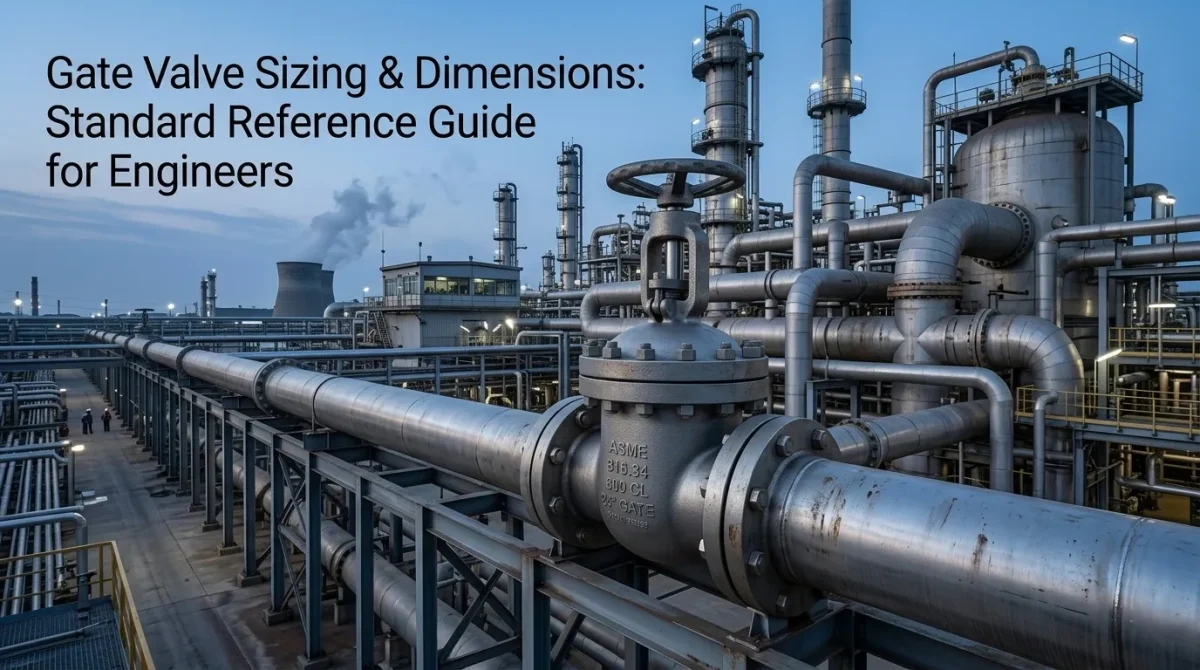
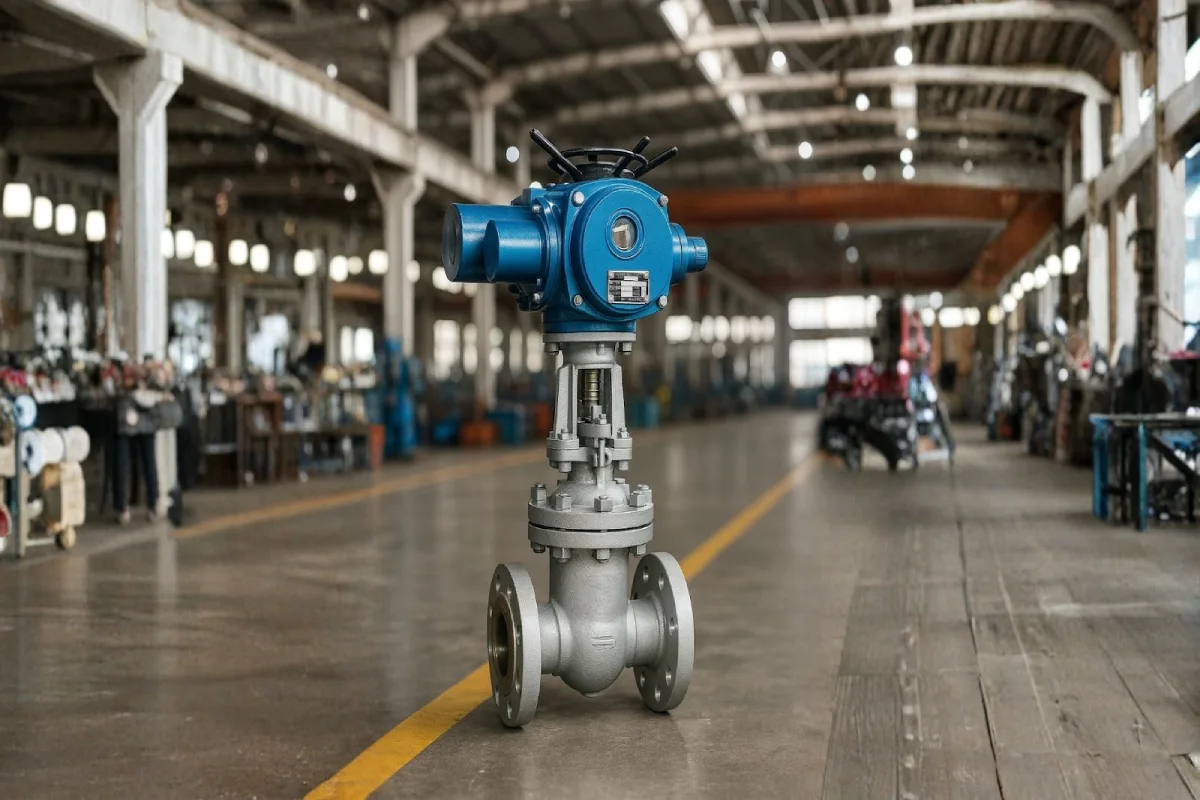
An electric gate valve is a linear-motion isolation valve driven by an electric actuator. Instead of operating the valve manually, a motorized actuator lifts or lowers the gate to start or stop flow. This makes it ideal for automated systems where remote control, precise regulation, and repeatable performance are required.
Key Advantages:
- Enables remote and automated operation
- Reduces manual labor and safety risks
- Provides consistent opening/closing torque
- Suitable for large-diameter or high-pressure pipelines
- Works well in hazardous or inaccessible areas
Electric gate valves also support emergency shut-off, programmable logic control (PLC), and integration into modern SCADA systems.
Common Types of Electric Gate Valves
Below are the most widely used types of gate valves with an electrical actuator, each engineered to meet different operating demands, environmental conditions, and fluid characteristics. From handling clean water to managing abrasive slurries or low-temperature media, each valve type offers its own performance advantages to support efficient and reliable automation.
Electric Actuated Gate Valve Types
Selecting the right electric actuated gate valve is essential for achieving safe, efficient, and reliable flow control across industrial systems. Each type is built with specific design strengths, whether for corrosive media, high-solid content, cryogenic temperatures, or bulk material handling. Understanding how these valve types differ will help you match the correct model to your operating conditions and long-term performance goals.
1. Standard Electric Actuated Gate Valve
This is the most common configuration used across general industrial applications. It features a rising or non-rising stem design and a full-port or reduced-port body.
Features:
- Suitable for water, steam, oil, and gas pipelines
- Available in cast steel, ductile iron, and stainless steel
- Ideal for on/off isolation in automated systems
Best Applications:
- Water treatment plants
- HVAC systems
- Petrochemical lines
- Industrial processing

Corrosion-resistant stainless steel body (CF8/CF8M), designed for chemical and hygienic electric actuation systems.
View Stainless Options
Durable gate valves available in various materials including stainless steel, ensuring long life in harsh environments.
View Product Specs2. Stainless Steel Electric Gate Valve
A stainless steel electric gate valve offers excellent corrosion resistance, reliability, and durability in harsh environments. (Learn more about material selection: Guide To Stainless Steel Gate Valve)
Key Benefits:
- High resistance to chemicals and seawater
- Suitable for hygienic and corrosive media
- Long service life with minimal maintenance
Industries Using Stainless Steel Valves:
- Chemical processing
- Marine engineering
- Food and beverage manufacturing
- Pharmaceutical facilities
3. China Electric Low-Temp Gate Valve
A China electric low-temp gate valve is designed specifically for cryogenic and ultra-low-temperature applications, particularly where pipeline media reaches or below.
Design Features:
- An extended bonnet to prevent actuator freezing
- Low-temperature carbon steel or stainless steel material
- Reliable sealing under cryogenic pressure fluctuations
Typical Uses:
- LNG terminals
- Liquid nitrogen systems
- Air separation plants
- Cryogenic storage and transport
4. Electric Knife Gate Valve
An electric knife gate valve is engineered to cut through thick, viscous, or particle-heavy media. Its thin, sharp gate makes it ideal for challenging conditions.
Main Benefits:
- Prevents clogging from solids or slurry
- Compact, space-saving body design
- Cost-effective solution for difficult media
Knife Gate Valve with Electric Actuator – Applications
- Mining slurry
- Pulp and paper processing
- Wastewater treatment
- Chemical slurries
Knife valves excel where standard valves fail due to sediment buildup. (See also: Top 8 Electric Actuated Gate Valve Suppliers)
5. Electric Slide Gate Valve
An electric slide gate valve is similar to a knife gate valve but optimized for bulk material flow rather than liquids. It is commonly installed in gravity-fed systems.
Typical Uses:
- Cement plants
- Grain handling facilities
- Powder and granule processing
- Dry bulk transportation systems
Rising Stem vs Non-Rising Stem Electric Gate Valves
Both designs are available for electric actuation, and choosing the right configuration ensures proper installation and long-term reliability.
Rising Stem Gate Valve
The stem visibly moves up and down as the valve operates.
Advantages:
- Easy visual indication of valve position
- Reduced risk of thread wear from fluid exposure
- Ideal for clean media and vertical spaces
Non-Rising Stem Gate Valve
The stem remains stationary while the internal gate moves.
Advantages:
- Best for installations with limited vertical space
- Suitable for buried pipelines and compact systems
- Cost-effective and widely used
(Compare stem options: What’s the Difference Between Gate Valve Rising Stem and Non-Rising Stem?)
How to Choose the Right Electric Gate Valve
When selecting an electrical gate valve, consider these important factors:
1. Media Compatibility
- Liquids, gases, slurries, powders
- Temperature range (including cryogenic requirements)
- Corrosion resistance and material selection
2. Pressure and Size Requirements
- Ensure correct pressure class (e.g., PN16–PN420, Class 150–2500)
- Select an appropriate bore diameter for the system flow rate
3. Actuator Specifications
- Torque requirements
- Control options (local control, ON/OFF, modulating, remote PLC)
- Power supply (AC220V, AC380V, DC options)
4. Installation Environment
- Indoor vs outdoor
- Hazardous zones
- Vertical or horizontal pipe orientation
5. Maintenance and Accessibility
- Availability of spare parts
- Ease of disassembly
- Operator safety considerations
Benefits of Using Gate Valves with an Electrical Actuator
Using gate valves with an electrical actuator enhances process automation and increases operational reliability.
Key Benefits:
- More accurate control
- Lower labor costs
- Faster emergency response
- Long service life with proper maintenance
- Eliminates manual operation in hazardous areas
Conclusion
Understanding the different types of electric gate valves helps engineers and procurement teams make informed decisions that improve system safety, reliability, and performance. Whether you need a standard electric actuated gate valve, a stainless steel model, a knife gate valve with an electric actuator, or a China electric low-temp gate valve, selecting the right design ensures smooth operation across various industrial systems.
As industries continue moving toward full automation, electric gate valves remain a dependable and efficient option for modern pipelines. Choose the configuration that aligns with your flow media, pressure requirements, and environmental conditions for long-term value.
Key Takeaways
- Electric gate valves offer automated, reliable isolation for modern industrial operations.
- Different valve types, such as electric knife gate valves, electric slide gate valves, and stainless steel models, serve specific applications.
- Selecting the right design improves efficiency, safety, and long-term performance in any automated system.
FAQs
Q1: What industries commonly use electric gate valves?
A1: Electric gate valves are widely used in oil and gas, chemical processing, water treatment, mining, and food production due to their automation and durability.
Q2: Are electric gate valves suitable for high-pressure systems?
A2: Yes. Many models are available in high-pressure ratings such as Class 150–2500 or PN16–PN420.
Q3: What is the difference between electric knife gate valves and standard electric gate valves?
A3: Knife gate valves are designed for slurry and solid media, while standard gate valves are built for clean liquids and gases.
Q4: Can electric gate valves operate in cryogenic applications?
A4: Yes. China’s electric low-temp gate valves are engineered for LNG, nitrogen, and other ultra-low-temperature environments.
Q5: Do electric gate valves require regular maintenance?
A5: Routine inspections are recommended to ensure proper sealing, actuator calibration, and long-term performance.