










High-pressure globe valves can withstand extreme conditions because they’re technically built for it.
However, metals expand, seals weaken, and internal parts lose strength due to high temperature. It changes how valve materials behave over time.
In globe valve high-pressure systems, even small distortions can affect sealing. But with the right approach and heat regulation, valve failures can be prevented and mitigated.
In this article, we discuss the main causes and practical preventive measures to avoid or lessen valve damage. So, be sure to read until the end to learn more.
How do globe valves compare with other valve types in high-temperature systems?
Globe valves are designed for precise flow control, especially under high pressure. However, they are not the only option in industrial systems.
Ball valves offer faster shut-off but may struggle with fine flow control in high-temperature conditions.
Gate valves handle full flow with minimal restriction, but they are less suitable for throttling applications.
Which standards and tests ensure high-temperature adaptability?
Standards help define how valves should perform under extreme conditions. They also guide testing methods.
| Standard / Test | Coverage | Purpose |
| API 607 | Fire resistance and sealing after fire exposure | Ensures safety in flammable systems |
| API 608 | Design, materials, and pressure testing | Confirms optimal performance under pressure |
| Thermal and pressure testing | Heat cycling and high-temperature sealing checks | Detects weak points before operation |
| ISO and ANSI | Global design and quality standards | Ensures safety and compatibility across systems |
Including ISO and ANSI standards helps expand compliance beyond API, especially for international projects.
What are the most common failure scenarios in globe valve high-pressure systems?
High-temperature service creates several common failure risks in globe valve high-pressure applications.
Understanding these issues helps buyers work with high-pressure globe valve suppliers to improve valve life.
| Failure Scenario | Common Result | Preventive Action |
| Seat and seal degradation | Internal leakage | Use heat-resistant seat and seal materials |
| Stem expansion and misalignment | Friction and wear | Allow thermal expansion in valve design |
| Packing failure | External leakage | Use high-temperature packing and inspect regularly |
| Body stress cracking | Sudden valve failure | Select proper pressure class and body material |
| Incorrect installation | Early component damage | Ensure correct alignment and tightening |
| Poor maintenance | Gradual performance loss | Follow routine inspection schedules |
In high-temperature systems, these problems often start as minor wear but can quickly lead to leakage or shutdown.
How does a high-pressure globe valve manufacturer support installation, maintenance, and monitoring?
Providing correct installation guidance
High-pressure systems may operate at temperatures exceeding 1000°F. Under these conditions, poor alignment or incorrect tightening can damage seals, distort valve parts, and reduce shutoff performance.
Proper installation methods help the valve handle pressure and thermal stress correctly. This protects sealing surfaces and extends valve service life.
Proper valve material selection
Material choice directly impacts how valves are supposed to function, especially in high-temperature environments.
Stainless and alloy steels are common choices. They maintain strength and resist deformation at elevated temperatures.
State-of-the-art materials such as ceramics and composite coatings are also gaining attention. They offer higher heat resistance and improved wear protection.
For high-pressure globe valve manufacturers, selecting materials based on both pressure and temperature limits improves long-term use.
Routine maintenance via after-sales support
Routine inspection helps detect leakage, corrosion, and abnormal wear before failure occurs. Lubrication, cleaning, and packing replacement also reduce friction and prevent sealing problems.
These simple maintenance steps are especially important in high-pressure service, where minor wear can quickly become major damage.
Digital monitoring
Modern monitoring systems track pressure and temperature in real time. This helps operators detect unusual conditions before they affect valve performance.
Many manufacturers now support predictive maintenance through sensor data and centralized monitoring. This reduces downtime and improves long-term operating efficiency.
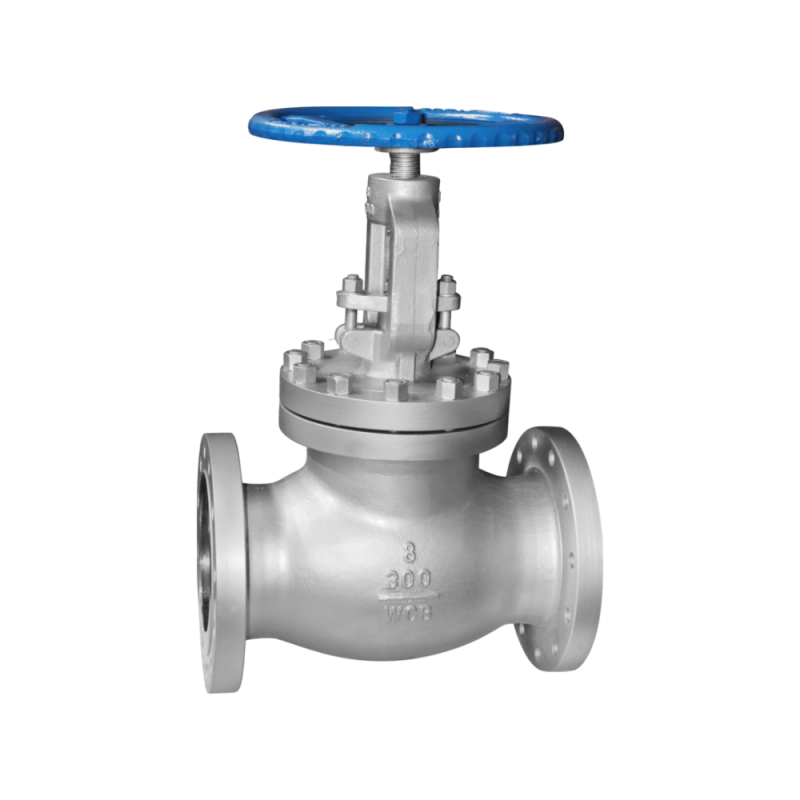
API Globe Valve
Engineered for high-performance flow control, this API globe valve delivers reliable sealing in high-pressure and high-temperature environments. Ideal for water, oil, and steam systems.
- Valve Size: 1/2″ – 24″
- Pressure Class: 150Lb – 600Lb
- Body Material: WCB, CF8, CF8M, WC6, WC9
- Temperature Range: -29°C to 425°C
- Sealing Options: STL, Hastelloy, Titanium Alloy
- Applicable Media: Water, Oil, Steam
How to evaluate high-pressure globe valve suppliers effectively?
A qualified supplier should provide correct pressure class recommendations, material selection support, and pressure test records. This ensures the valve can perform safely in demanding steam, power, or chemical applications.
In high-pressure systems, valves are exposed to pressures above 900 psi, with steam lines reaching temperatures from 400°F to over 1000°F. Under these conditions, standard valves may deform, leak, or suffer rapid seat wear.
High-pressure globe valves are designed with pressure-rated bodies, reinforced sealing surfaces, and heat-resistant trim materials. These features help maintain shutoff performance under extreme pressure and temperature.
YKY Valve supports high-pressure projects with Class 600 to Class 2500 globe valves, backed by material certification and leakage testing for stable long-term operation.
Final Thoughts: How is valve performance evolving in high-temperature applications?
New technologies are improving valve functionality. Sensors can monitor temperature and pressure in real time.
This allows early detection of potential failures. Maintenance can be planned before issues become critical.
Design improvements also reduce stress on internal components. Better materials and engineering continue to extend service life.
For more information on globe valve manufacturing, contact us today to get started.