











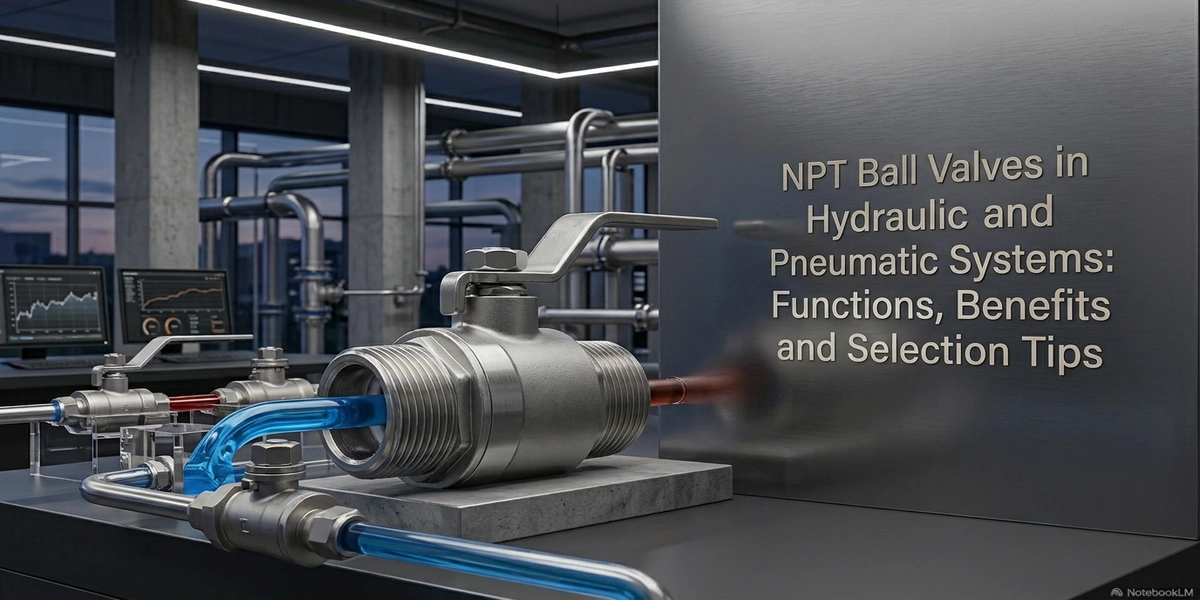
In hydraulic and pneumatic circuits, the NPT ball valve serves one critical role: reliable shut-off and circuit switching. When a hydraulic press line needs to be isolated for maintenance, or when compressed air distribution across a factory floor needs to be rerouted, the ball valve is the component that makes it happen. Its quarter-turn mechanism delivers a bubble-tight seal faster than any gate or globe valve — a meaningful advantage in pressurized systems where delayed shut-off allows pressure to spike beyond the pump’s rated output.
Hydraulic systems use these valves to direct oil flow to actuators and isolate circuit branches during servicing. Pneumatic systems use them to manage compressed air distribution, control tool circuits, and protect downstream equipment from overpressure events. In both cases, the handle’s orientation gives operators instant visual confirmation of valve position without instrumentation — a simple feature that prevents costly errors in multi-circuit installations.
Why NPT Threading Works — and When It’s the Right Choice
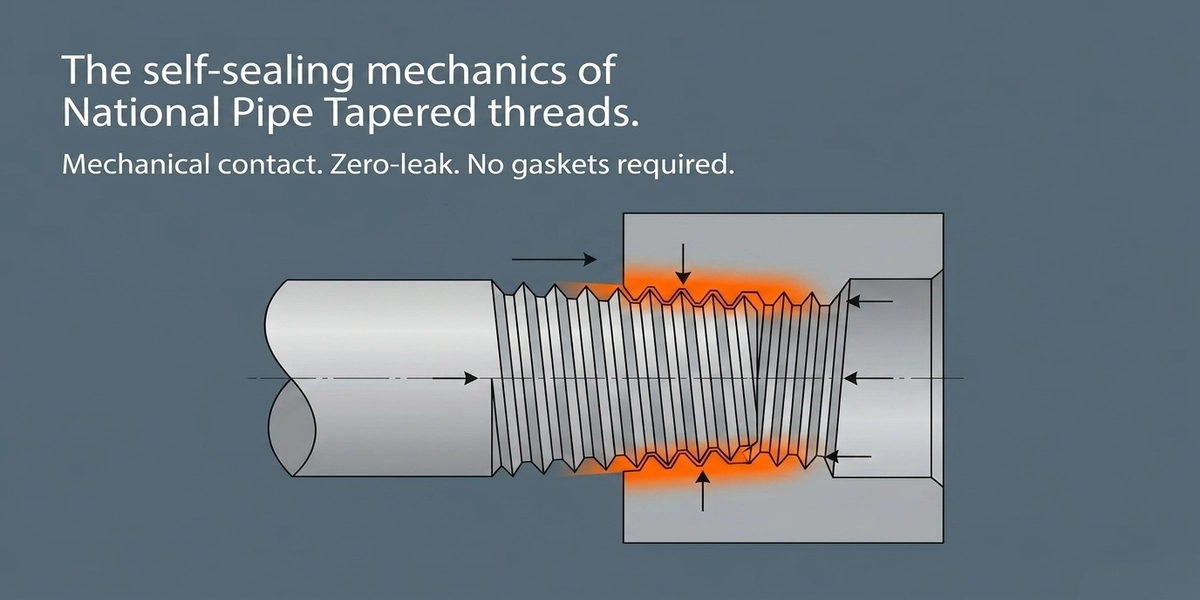
NPT stands for National Pipe Tapered, a U.S. standard defining a tapered thread profile. As male and female threads are tightened together, the taper creates progressively tighter mechanical contact, forming a self-sealing connection that doesn’t depend on a gasket or face seal as its primary leak barrier. A wrapping of PTFE tape fills microscopic thread gaps, achieving zero-leak performance across a wide pressure range.
This self-sealing characteristic makes NPT the default for small-diameter piping — typically under two inches — where installation speed, compact footprint, and low assembly complexity matter. Compared to flanged connections, NPT fittings require no bolt patterns, no gaskets to align, and no torque sequencing. This is why NPT ball valves are the standard specification across compact hydraulic manifolds, mobile equipment, and high-vibration environments where flanged alternatives add unnecessary weight and assembly steps.
That said, the right NPT ball valve for a given system depends on three variables: pressure rating, temperature range, and media compatibility. A valve correctly sized for pressure but paired with the wrong seat material in a chemical line will fail at the seal. A stainless steel body specified for standard hydraulic oil service adds cost without benefit. Selection requires matching all three parameters to the actual operating conditions — not just the most visible one.
Selection Tips Checklist for Hydraulic and Pneumatic Systems
Before specifying any NPT ball valve, confirm the following:
Thread compatibility — Verify the system uses NPT, not BSP or BSPT. NPT is a tapered thread; BSPT uses parallel threads requiring a face seal. The two are not interchangeable. Forcing an NPT male into a BSPT female port damages both fittings and creates a leak point that requires full line section replacement.
Pressure rating — The valve’s rated pressure must exceed the maximum surge pressure in the circuit, not just the steady-state operating pressure. Surge events in hydraulic systems routinely reach 1.5× to 2× normal operating pressure. A valve rated at operating pressure fails during the first high-demand cycle.
Temperature range — Confirm that both the body material and the seat/seal material are rated for continuous operating temperature. Elastomeric seals that handle 150°C will degrade rapidly in smelting or high-temperature process lines. Standard cast steel bodies crack under repeated thermal cycling above 400°C.
Media compatibility — Match the body and seat material to the specific fluid or gas in the circuit. Carbon steel handles clean hydraulic oil reliably. Stainless steel (316L) resists corrosion in humid air, chemical vapor, and offshore salt-spray environments. Hastelloy C-276 or PTFE-lined bodies are required for chlorine, ammonia, and aggressive chemical media where carbon steel degrades within weeks.
Port size and bore — Specify full-port bore where pressure drop across the valve affects circuit performance. Reduced-port designs are acceptable in low-flow or on/off-only applications.
Actuation mode — Manual operation is appropriate where operators are present and cycle frequency is low. High-cycle automated lines require pneumatic or electric actuators compatible with PLC or SCADA control systems.
Certifications — API 6D for oil and gas pipelines, ISO 5208 for pressure testing in chemical service, ISO 9001 for general quality assurance, and GMP/FDA-compliant surface finish for pharmaceutical and food processing applications.
Why Engineers Specify YKY for NPT Ball Valve Supply
YKY supplies NPT ball valves across the full range of hydraulic and pneumatic service conditions — carbon steel for standard oil service, 316L stainless for corrosive and sanitary applications, Hastelloy and PTFE-lined bodies for aggressive chemical media, and 4130 forged steel for high-temperature metallurgy lines.
Pressure ratings extend from standard 2,000 PSI service up to 7,250 PSI for extreme-pressure hydraulic circuits. Manual, pneumatic, and electric actuation options are available across all series, with full CAD documentation and lab simulation data provided to confirm compatibility before installation. Standard lead time is 35 days, with a 99% on-time delivery rate across 30+ countries.
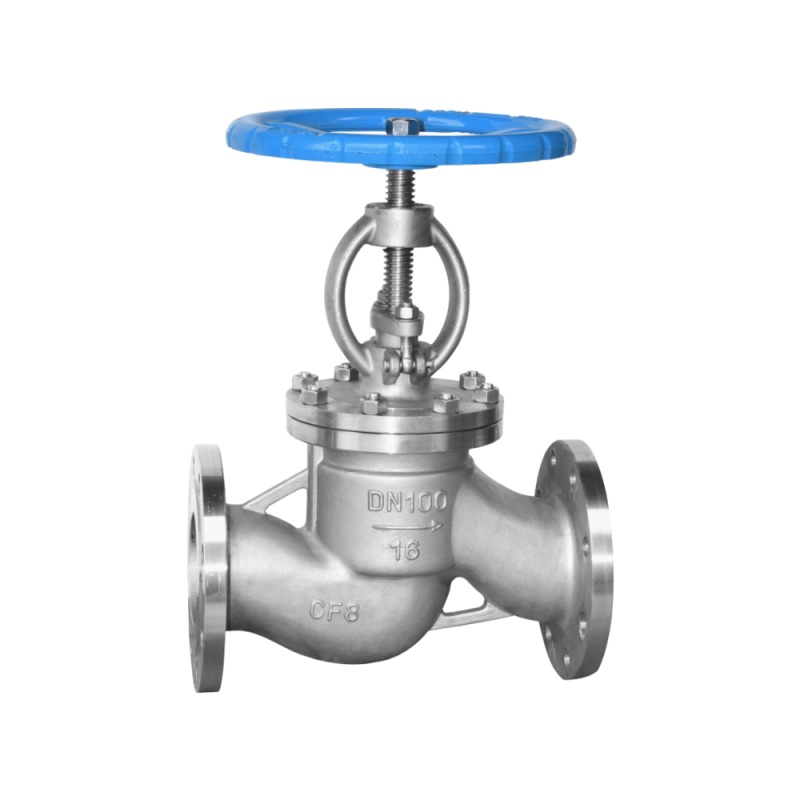
GB Globe Valve
Designed for precise flow control and tight shutoff, this GB globe valve performs reliably in power plants, refineries, and industrial fluid systems.
- Size: DN32 – DN600
- Pressure: PN16 – PN100
- Body Material: WCB, CF8, CF8M
- Temperature: -29°C to 425°C
- Media: Water, Oil, Steam
Frequently Asked Questions
When should an engineer choose an NPT ball valve over a flanged ball valve?
Choose an NPT ball valve for pipe diameters under two inches where installation speed, compact footprint, and cost efficiency take priority. The tapered thread creates a self-sealing connection without gaskets or bolt patterns. Choose a flanged ball valve for pipe diameters above two inches, or in extreme-pressure applications where a bolted connection provides the structural stability required for heavy-duty disassembly cycles.
How do I apply PTFE tape correctly to NPT threads?
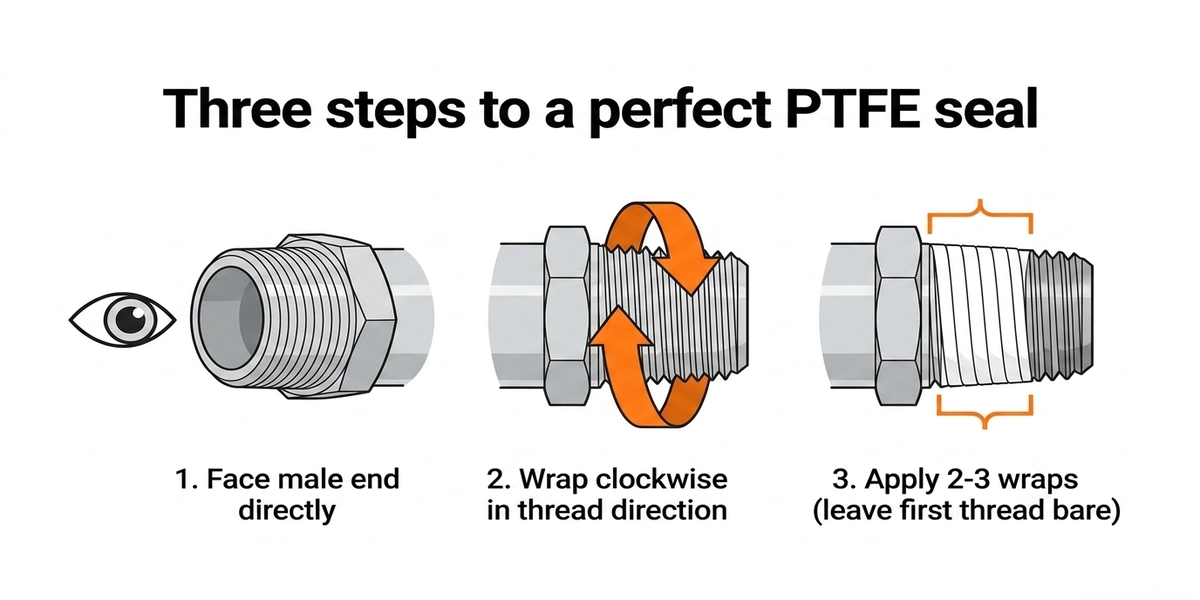
Wrap PTFE tape clockwise when facing the male thread end — in the direction of the thread. Apply two to three wraps starting from the second thread to prevent tape fragments from entering the flow stream. Applying tape against the thread direction causes it to unwrap during installation, leaving an incomplete seal that leaks under pressure cycling.
How often should NPT ball valves be inspected in hydraulic systems?
Inspect every six months in standard hydraulic service. In high-cycle applications — hydraulic presses and automated manufacturing lines — inspect every three months. Contaminated hydraulic oil is the leading cause of seat wear and internal leakage. Replace the valve immediately if the handle requires excessive torque to operate, or if weeping appears at the threaded joint. Waiting for full failure in a pressurized system creates a safety incident.