









Quick Answer
A fully welded ball valve offers superior sealing, structural strength, and pressure/temperature resistance compared to bolted designs. Its single-piece construction eliminates body joint leaks, reduces maintenance, and protects against corrosion. While repair is difficult and costly, these valves provide safer, more reliable long-term operation, making them ideal for critical pipeline applications where safety and minimal downtime are paramount.
A fully welded ball valve provides a better sealing mechanism than ordinary ones. Its welded design is composed of a single unit that is not connected by bolts.
Because of its welded structure, this type of ball valve performs better in sealing the system.
This is the best distinction compared to an ordinary one.
However, there are other differences and advantages between the two. We discussed that further in the article. So, be sure to finish reading until the end.
How does a fully welded ball valve work?
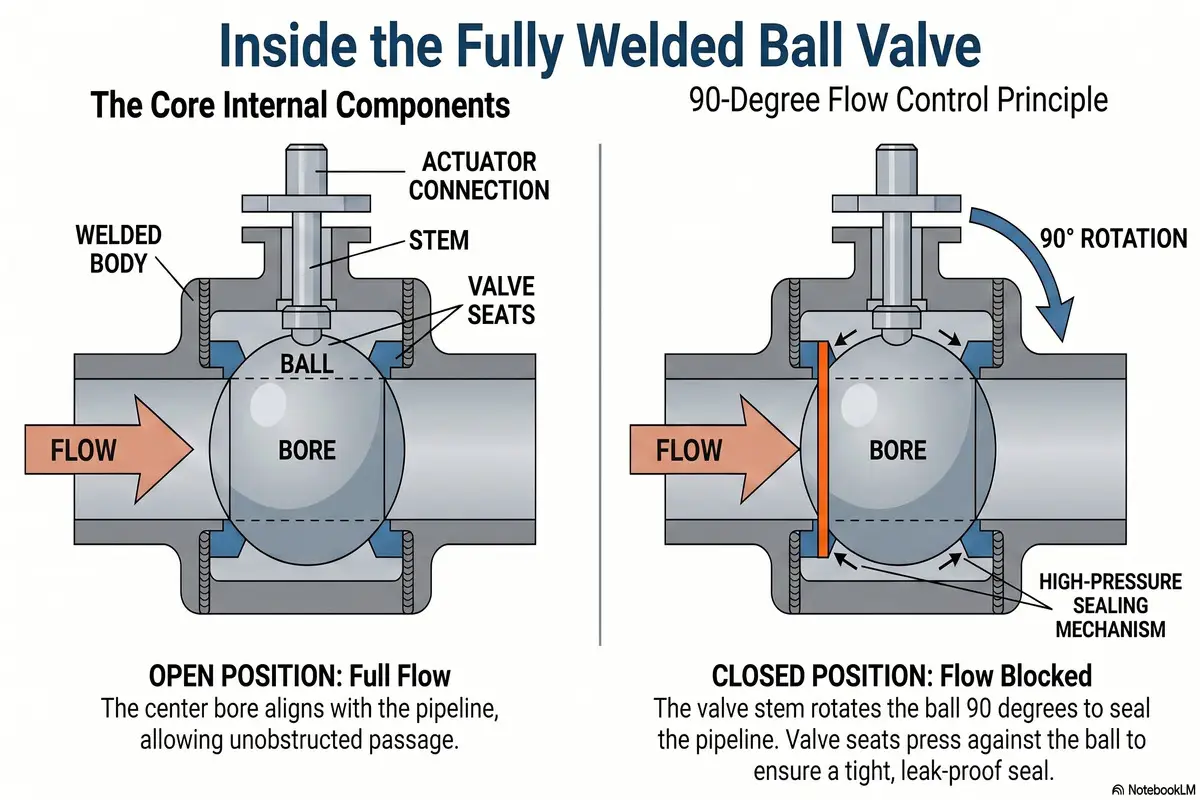
This ball valve controls flow using a rotating ball with a central bore. When the handle or actuator turns the stem, the ball rotates.
When the bore aligns with the pipeline, fluid passes through. When the ball turns ninety degrees, the solid side blocks the flow.
The welded body seals the internal components in a single pressure-tight structure. This design provides stable shutoff performance while reducing the risk of leakage from body joints.
What advantages do fully welded valves offer?
Eliminates body joint leakage
Bolted valves depend on gaskets between body sections. These gaskets can wear out over time and create leakage points.
An all-welded ball valve removes these external joints, helping maintain tight sealing during long-term operation.
Handles pressure fluctuations better
Industrial pipelines often experience pressure cycling. Repeated stress can weaken bolted body seals.
A welded body offers better pressure resistance and maintains sealing performance under changing conditions.
Performs better under thermal stress
Temperature changes cause expansion and contraction in metal parts. Bolted joints can loosen during these cycles.
Welded construction maintains body integrity even under frequent temperature variation.
Improves structural strength
A welded valve body forms a stronger and more rigid structure than a bolted design. This extra strength improves performance in high-pressure systems where structural stability matters.
Reduces maintenance frequency
Because there are fewer sealing points, welded valves need less routine maintenance. This helps reduce downtime and lowers maintenance costs in continuous service systems.
Protects against external corrosion
Body bolts and gasket joints are often exposed to moisture and contaminants. A welded structure reduces exposed sealing areas, improving resistance to environmental corrosion.
Supports safer long-term operation
Fewer external leak paths improve operational safety, especially when handling gas or hazardous media.
This makes welded valves suitable for critical pipeline applications.
How is a fully welded design different from an ordinary ball valve?
The main difference is in the body construction. Ordinary ball valves are assembled with bolts, while welded valves use a permanently sealed body.
This welded construction creates a stronger pressure boundary. It also prevents external leakage that can happen around bolted connections.
The internal operating mechanism remains similar, but the body design improves resistance to stress and environmental exposure.
| Feature | Fully Welded Design | Ordinary Ball Valve |
| Body sealing | Welded body | Bolted body |
| Leakage risk | Lower | Higher |
| Maintenance frequency | Lower | Higher |
| Structural strength | Higher | Moderate |
| Underground service | Suitable | Limited |
Because of these advantages, fully welded designs are often selected for critical service applications where maintenance access is limited.
Can a fully welded ball valve be repaired?
Repair is possible, but there are factors to consider before doing so, since this valve is designed specifically for minimal maintenance.
Firstly, the welded body itself is difficult to disassemble. Typically, this is done by the manufacturers themselves and can be really costly.
Second, some internal components, such as seals or seats, can be repaired or replaced by cutting the body open. This still depends on the valve design.
Third, specialized repair and welding techniques are needed if the issue is leakage in the valve body.
Without long sleeve pipes installed at both ends of the valve, it is difficult to repair it without damaging the internal components.
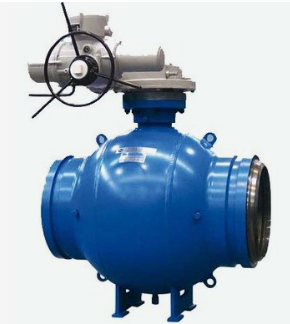
Fully Welded Ball Valve
Built for high-integrity pipeline systems, this fully welded ball valve delivers long-term sealing performance and zero leakage in oil, gas, and water applications.
- Size Range: DN50 – DN1600
- Pressure: PN16 – PN64 / Class 150 – 600
- Body Material: Carbon Steel & Stainless Steel
- Sealing: PTFE, RPTFE, PEEK options
- Temperature: -29°C to 425°C
- Media: Water, Oil, Gas
How should buyers evaluate welded valve suppliers?
Not all suppliers deliver the same manufacturing quality. So, buyers should compare welding standards, pressure testing, certifications, and technical support before making a decision.
Industry references such as the Cameron T31 ball valve are well-trusted for their maintenance requirements for welded valves, including sealing inspection, operating torque checks, and actuator performance verification.
These standards show that strong body welding alone is not enough.
A quality supplier should also ensure that the valve is designed for easy inspection, stable operation, and long service life under real pipeline conditions.
Fortunately, manufacturers such as YKY Valve meet these expectations through strict production control, documented testing, and ISO 9001-certified quality systems.
This ensures that each valve delivers dependable sealing performance and long service life in demanding applications.
For more technical information, don’t hesitate to contact us immediately.
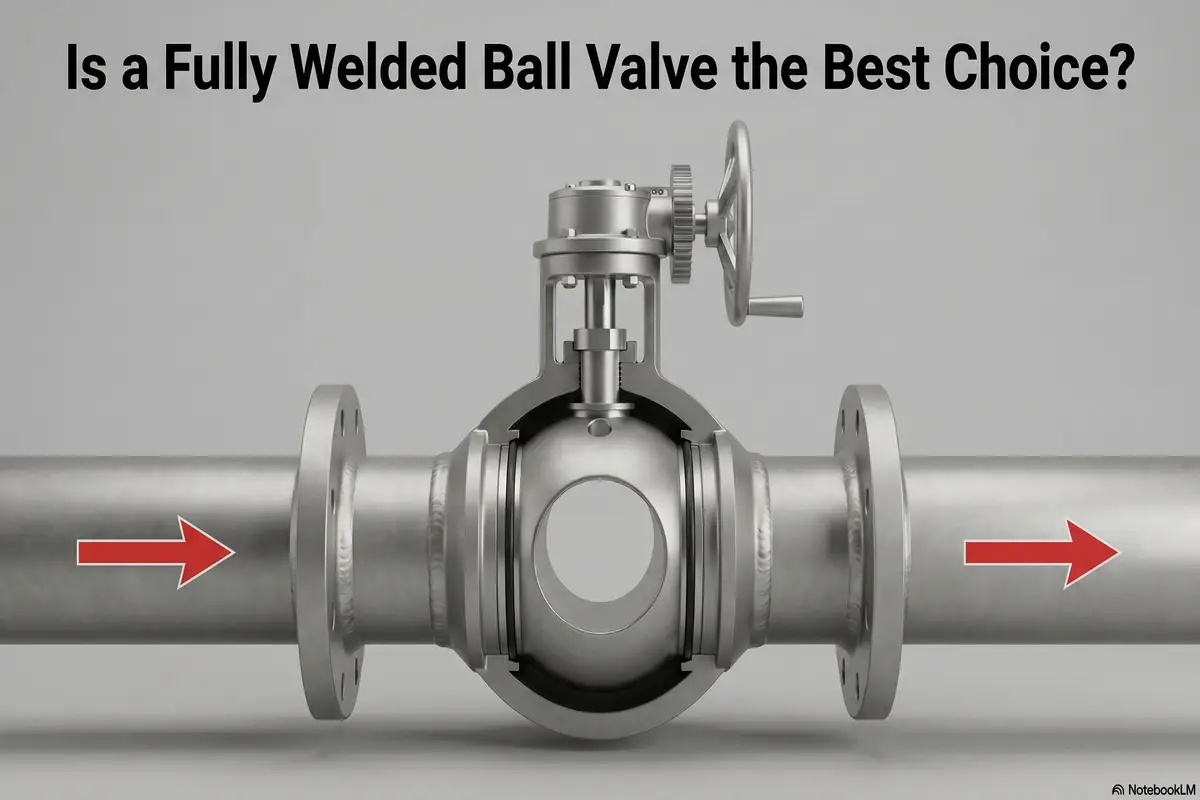
Conclusion: Is a welded valve the best choice?
Choosing a fully welded valve improves sealing, reduces maintenance, and increases service life in demanding systems.
Compared to bolted valve designs, fully welded construction provides better structural strength and fewer potential leak paths.
While bolted valves may still be used in general service, welded valves offer stronger long-term value in applications where safety is pivotal.
For these reasons, they are often selected as a more optimal solution in critical pipeline environments.